How the College Softball Recruiting Process Works
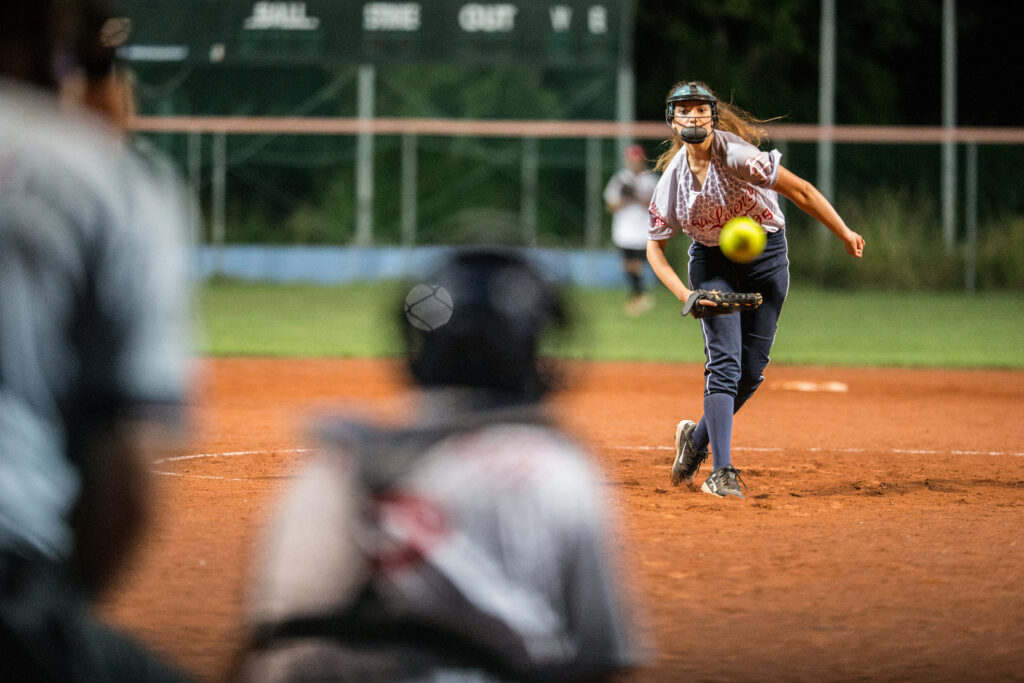
Playing college softball takes talent, but talent alone doesn’t determine where you’ll end up. Coaches recruit for specific needs: a pitcher who can contribute early, a catcher to replace a graduating senior, or an outfielder who brings speed to the lineup. Your opportunities depend on how your softball skills fit a program’s needs.
Recruiting is the process of an athlete and a coaching staff finding out if they’re a good fit for one another. Coaches learn about your game through evaluation. They’ll watch you play, look at your grades, and speak to your coaches and teachers to learn about your personality and work ethic. And you’ll do your due diligence to learn about their expectations, their program, your potential role, and whether the school offers what you want beyond softball—like campus feel, academic programs, and location.
Understanding that process helps you put your effort where it matters: developing your game, connecting with programs that fit, and building relationships over time. This article explains how coaches build a recruiting class and why the process can look different for pitchers and position players—even on the same team.
How a college coach builds a recruiting class
To understand how coaches build their recruiting classes, start by thinking like a coach. You’re looking ahead to next season and your starting catcher will graduate, you’ll lose depth in the middle infield, and your pitching staff needs a few more options against strong lineups. Those needs help determine which players you recruit and what you look for in each one.
You might need a catcher who’s ready to start, a versatile infielder who can cover several positions, and a pitcher whose strengths complement the rest of your bullpen. Each player brings something different, and you’re considering how they could contribute alongside the athletes already in your program.
That plan can change as players develop, switch positions, transfer, or graduate. A coach might recruit a shortstop with the intention of playing her at second base, or find an opening that wasn’t there a few months earlier.
Coaches weigh several things together:
- Your ability now and your room to improve. They want to know how you perform against good competition and how your game could develop with college coaching.
- The role you could fill. That might be an everyday defensive position, a place in the pitching staff, a productive bat, or the versatility to contribute in several ways.
- Your academic fit. A coach’s interest has to line up with the school’s admissions requirements and your ability to stay on track academically.
- The person joining the team. Reliability, coachability, and how you treat people matter when a staff is choosing its next group of teammates.
This is why similar players can have very different recruiting experiences. A program may already have depth at your position, while another is looking for exactly what you offer. One staff’s decision doesn’t determine your opportunities elsewhere.
Your job as an athlete is to research a program’s roster so you understand its possible needs. Conversations with the coach help you learn where you could fit.
How interest develops into an opportunity
Coaches learn about athletes through games, softball recruiting video, and recommendations from high school and travel coaches. You can also kickstart the process by introducing yourself by sharing your academic information, video, and playing schedule with programs you’re interested in.
In softball, travel ball gives coaches opportunities to evaluate players from different teams and regions at the same event. Film helps a staff get an initial look or follow your development over the course of your high school career. Your high school and travel coaches can provide context about your abilities, progress, and approach to the game.
As a coach gets to know you, they may request updated film, watch you play again, or discuss your goals and potential role when recruiting rules allow. Those conversations give you a chance to learn about the program, too. You can begin to understand how the coach runs their program, what they expect from their athletes, and how softball would fit alongside your coursework.
Continued interest can lead to an offer, but each staff has its own needs and decisions to work through. An encouraging conversation is a reason to keep building the relationship. As discussions progress, make sure you understand what the coach is offering, including the roster opportunity and any financial support.
The recruiting timeline explains when different types of contact are permitted and how to prepare. Consistent outreach, useful updates, and timely replies help you keep the process moving while you continue exploring your options.
Pitchers and position players: related but distinct tracks
Pitchers and position players go through the same recruiting process, but what college softball coaches look for differs depending on the role they’re recruiting for.
For pitchers, understanding the opportunity means learning how a staff uses and develops its bullpen. A team may carry several pitchers while giving most of its innings to one or two. Talk with coaches about how they distribute innings, support development, and see your role growing.
A team with several returning pitchers may have few innings available right away, while one graduating its top two pitchers may need someone who can contribute immediately. Ask the staff where you would fit, what you would need to improve to earn innings, and how they would help you develop.
For position players, coaches will evaluate offensive and defensive value together. A catcher who receives well and controls the running game offers a different combination of strengths from a corner infielder with power. An outfielder’s reads and routes matter alongside her running speed.
Finding a college program where you can grow
Softball is a major part of choosing a program, and the education and everyday experience deserve the same attention. The school that you choose should offer the academic programs that interest you, offer you a sense of community, and support you in the demands of being a student-athlete.
When evaluating schools, think about the ordinary days as well as the big games. Think about getting to practice from class on Tuesday in February, the long road trips, and what your social life might look like outside of softball. Conversations with current players and campus visits can help you understand what that life is actually like.
Final thoughts
College softball recruiting happens as coaches learn about your game and you learn about their programs. Keep improving, reach out to schools that interest you, and build relationships with coaches whose needs fit what you offer. Your path will be your own, shaped by your abilities, interests, and goals for life in college and beyond.