How to Choose the Right College Softball Program

By the time you’re picking between a few real schools, you already know their level and their record. What you don’t know yet is how the coach actually sees you fitting into next year’s roster, what they’re like day to day, whether your major works around the season, and what daily life there is actually like—and that’s the key to college softball recruiting.
Let’s take a look at how to measure each one and, ultimately, choose the school that works best for you and your goals.
Find a program where you can contribute
The role a college softball coach evaluates you for can tell you as much as the offer itself. Some recruits arrive ready to compete for substantial playing time; others enter with a longer development plan. Both can work as long as you feel good about the plan!
Look at the position group and how the program develops its athletes:
- Pitchers need a path to innings. Some teams rely heavily on one or two arms. Review recent appearances and innings, then talk with the coaches about how they develop pitchers who aren’t yet handling much game work. Of course, ask them how they plan to use you, as well.
- Position players need a clear projection. A coach may see you at the position you play now, somewhere else defensively, or primarily as a hitter. Find out which skills made the coach interested and what they want you to develop.
- Two-way athletes need to discuss both roles. If you want to pitch and hit, learn how the coaches would organize your training and create opportunities for each.
- Development continues beyond freshman year. Ask how athletes earn larger roles and look at examples from recent recruiting classes.
A quick review of the roster can help you prepare for those conversations, but it won’t predict every graduation, transfer, or position change. The goal is a clear understanding of the coach’s plan for you. Meaningful playing time also matters. A program where you can contribute and keep improving may offer more of what you want than a bigger-name school where you’re spending most of your time in the dugout.
How well you relate to your coaches
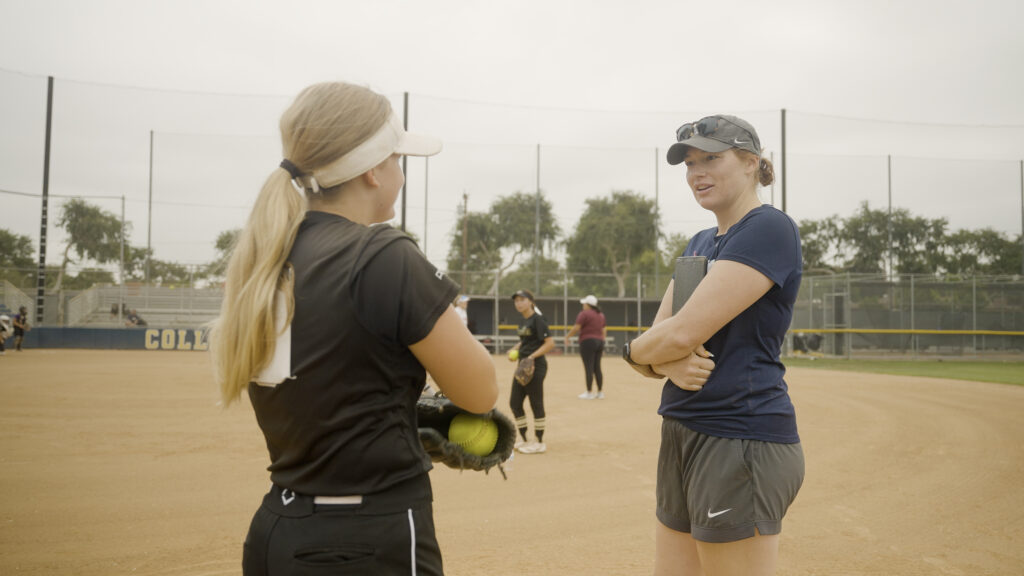
A recruiting conversation gives you one view of a coach. Watching a practice and speaking with current athletes can add another.
Watch how the coach corrects mistakes—whether they explain the reasoning behind a change or just call out what went wrong. Watch the team’s reaction too: athletes who stay engaged and keep asking questions are a good sign; athletes who go quiet and guarded are not. Notice whether the standard holds the same for the star recruit and the athlete at the end of the bench.
Different athletes thrive under different coaching styles. You may like a demanding, highly structured environment, or need more room for conversation and individual problem-solving. Think about the coaches who have helped you most and what made those relationships work.
When possible, ask current athletes about ordinary life in the program—how accessible the coaches are, what happens when someone is struggling academically, how injuries get handled, and what surprised them after arriving.
Coaches can also change jobs. Learn about the program’s recent coaching history and the support the institution provides. You can value the coach recruiting you while also asking whether you would still want the school if that person left.
Academics and life outside softball
Check that the school offers subjects you want to study, then investigate how those programs work for athletes. A major being listed in the catalog doesn’t tell you whether its required labs, placements, or internships fit the team schedule.
Ask to speak with an academic advisor or a current athlete studying something similar. If you’re undecided, look at the range of options and how easy it is to explore before choosing.
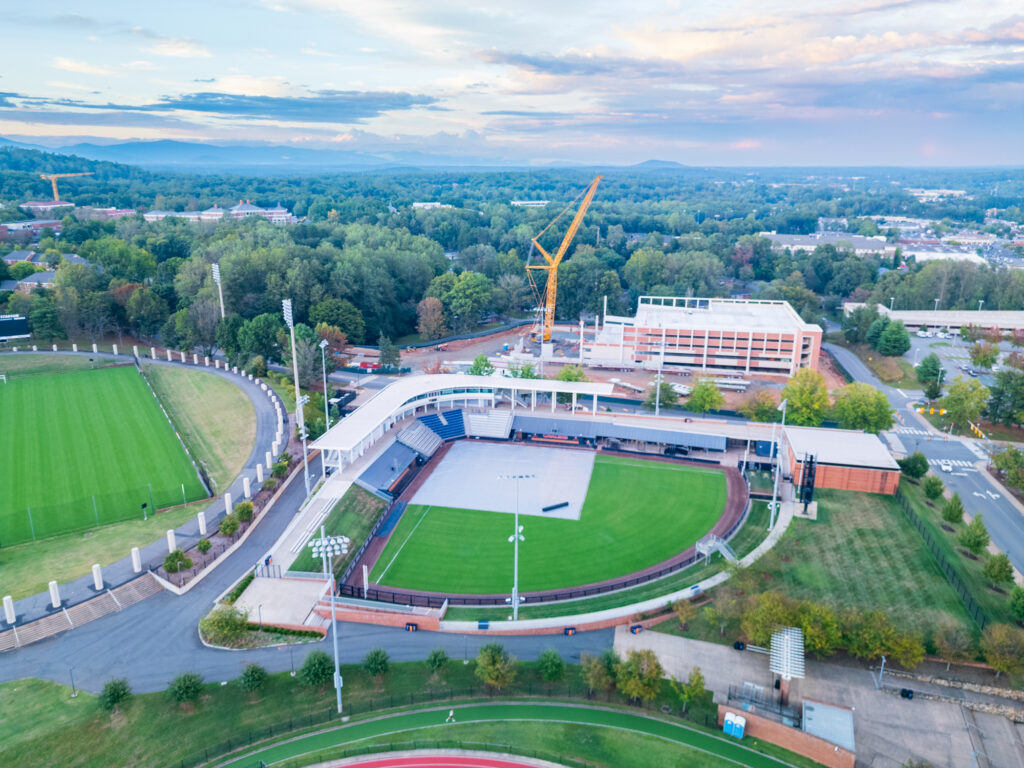
Give the rest of campus the same attention you give the facilities:
- Housing and daily life: Find out where first-year students live and what the surrounding area is like.
- Size and setting: Think about whether a large university, a smaller campus, a city, or a college town fits you best.
- Support: Find out what tutoring, advising, and personal support are available, and how athletes access them.
- Cost: Make sure your family can sustain the total expense under the college softball scholarship you receive, or any other financial aid you’re awarded.
- Life outside the team: Look for communities and activities you’d want to join even if softball weren’t part of your life there.
If you don’t know your major yet, that’s okay. You still need a school where several possible futures look appealing.
Climate, season length, and travel realities
Softball is an outdoor sport, and location shapes the experience. A northern program may spend more early-season time training indoors or traveling to warmer areas. A southern program may offer more outdoor work while asking you to manage hotter conditions.
During the college softball recruiting process, look at an actual recent schedule: how often the team travels, whether there are long road trips or frequent midweek games, and what happens when weather changes the plan. Travel can be one of the best parts of college sport, but it also affects classes, sleep, and free time.
Ask about the fall, too. The spring season is only part of the annual commitment. Training, lifting, meetings, and individual development continue in other parts of the year under the applicable rules.
Finally, consider the distance from home. Being far away can be exciting. It can also make a weekend visit expensive or impractical. Decide what suits you rather than what sounds most adventurous during a campus tour.
Final thoughts: Finding the right college program is more than just playing softball. Look at the coaching, academics, team environment, schedule, and life on campus alongside your playing opportunity. Choose a place where you can keep developing and feel excited about the years ahead.