Film, Camps, and Exposure: What Actually Gets You Noticed in Volleyball
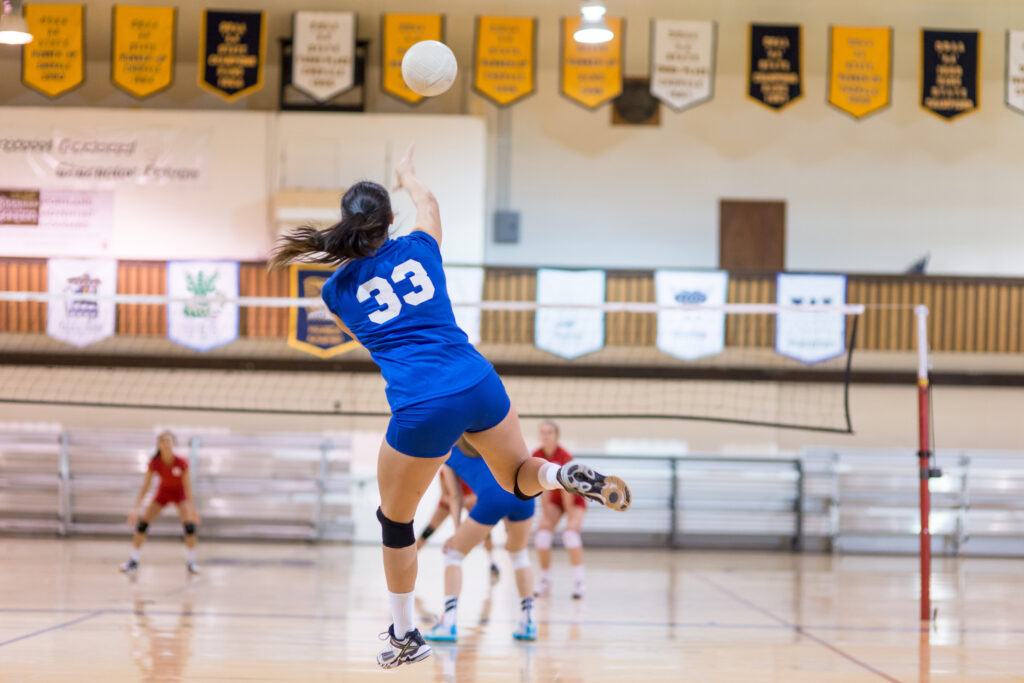
Getting seen is a big part of recruiting. Coaches evaluate athletes in three places: in your film, at tournaments, and at the camps where they see you in person. Each one does different work, and the athletes who effectively use all three tend to find the most opportunity.
Here’s what each one actually does, and how to make it land for you.
Your film
Film is how most coaches are introduced to you as a player. They’ll see you on a screen before they ever see you live, which means your reel is doing the introducing for you. The good news: this is the part of recruiting you have the most control over.
A few things to know:
- Your reel is the introduction. It puts you on a coach’s radar. The deeper evaluation comes later, with longer film and live evaluation at tournaments and showcases.
- Highlights get coaches interested. The deeper picture of how you play across a full match is what keeps them watching.
- Full-match context tells the real story. How you carry yourself between rallies, how you bounce back, what you do when the ball isn’t coming your way—coaches read all of it.
- Identify yourself in every clip. Jersey number, color, position. Make it impossible for a coach to miss you.
Tailor your film to your position. A setter’s reel should show ball control, distribution decisions, and pressure moments. A libero’s reel should show platform consistency on serve receive and dig range. A hitter’s reel should show attacking versatility against different blocks. A reel built for who you are beats a generic one every time.
Your film should live as a single shareable link. Most clubs already have a system for this (like hudl), and most college programs are set up to receive film through standard platforms.
Your measurables
Coaches want concrete numbers next to your name. Approach jump, block jump, standing reach, vertical, broad jump, and lateral shuttle are the most commonly asked-for measurements.
A few things to know:
- Know your numbers, always. When a coach asks, you should be able to answer without checking. Honest numbers build trust—coaches get tape and live looks, and stated measurables that match what they see go a long way.
- Camps verify your measurables in person. Most college camps will test you on the same battery of measurements coaches use to evaluate. Going to a camp run by a program you’re interested in puts your real numbers in front of the coaches who need them.
- Numbers go up with focused training. Approach jump, vertical, and lateral quickness all respond to year-round work. Your trajectory tells coaches who you’ll be in two years.
Camps
College-run camps are the highest-value way to get evaluated in person on a college campus. You’re on the floor in front of the coaches who run the program. You’re under their eye for two to three days. And the relationships that start at camp can provide an amazing foundation for a recruiting relationship to build upon.
There are two kinds of camps to know:
- True invitationals. These are smaller, hand-picked rosters with coach-led drills and focus on evaluation. These kind camps signal a real interest from the program.
- Open or position camps. These are larger events that can include hundreds of athletes and a drill-heavy schedule. They’re great for development and reps, and they still give you a chance to compete in front of coaches you’re targeting—even if the recruiting signal is smaller than at an invitational.
Both have a place. Knowing which kind you’re at changes how you treat it.
When thinking about be camps, be sure to:
- Pick camps at programs you’d love to play for. Spend time getting in front of the staff at colleges you’d actually attend—it helps build relationships and is time well spent.
- Email the coach before camp. Tell them you’re coming, what you’re working on, and what you’re hoping to get out of it.
- Compete in every drill. Coaches at camps watch how you respond to fatigue, how you treat teammates you’ve never met, and how coachable you are if they give you feedback.
- Talk to the coaches in person. Camp is one of the few places you’ll get face time with college coaches. Introduce yourself and shake their hand.
- Follow up after. Email the head coach within a few days and thank them for having you at their camp.
Tournaments and showcases
Tournament play is the longest evaluation window college coaches get on you. Our club volleyball article covers the major events and how to prepare for them. The condensed version is this: reach out before, compete hard, and follow up after.
What’s worth adding here is the season-long picture. Recruiting traction builds across months. Every weekend you compete adds to the body of work coaches end up seeing.
- Spring is the heavy evaluation season. The biggest tournaments and qualifiers happen between february and june. Treat every weekend like coaches are watching, because most weekends, some are.
- Keep your film current. Your reel should reflect who you are now. Swap in newer clips as the season unfolds.
- Showcases the night before tournaments matter. Many qualifiers and nationals run a friday-evening showcase or skills event. They’re concentrated, well-attended, and worth participating in when you can.
Following up matters
Coaches get a lot of emails, and the athletes who stand out are the ones who keep showing up with something real to share. After a strong tournament, send a note. Let them know what’s happening in-season. When you’re playing somewhere coaches might be, give them a heads-up. Consistent outreach is one of the most underrated parts of recruiting, and it’s the easiest piece to control.
A few principles you practice:
- Speed signals interest. A reply within 24 hours tells a coach you’re paying attention.
- Persistence pays off. Show up regularly with real updates. Coaches notice the athletes who keep building the relationship over time.
- Development gets noticed. Coaches love seeing measurables, results, and growth. Each update is a chance to show how far you’ve come.
Final thoughts: Coaches need to see you to recruit you, and they look in specific places. Take care of your film, get yourself to camps at programs you love, and play every match like part of a story you’re building. The athletes who get noticed are the ones who show up on purpose.