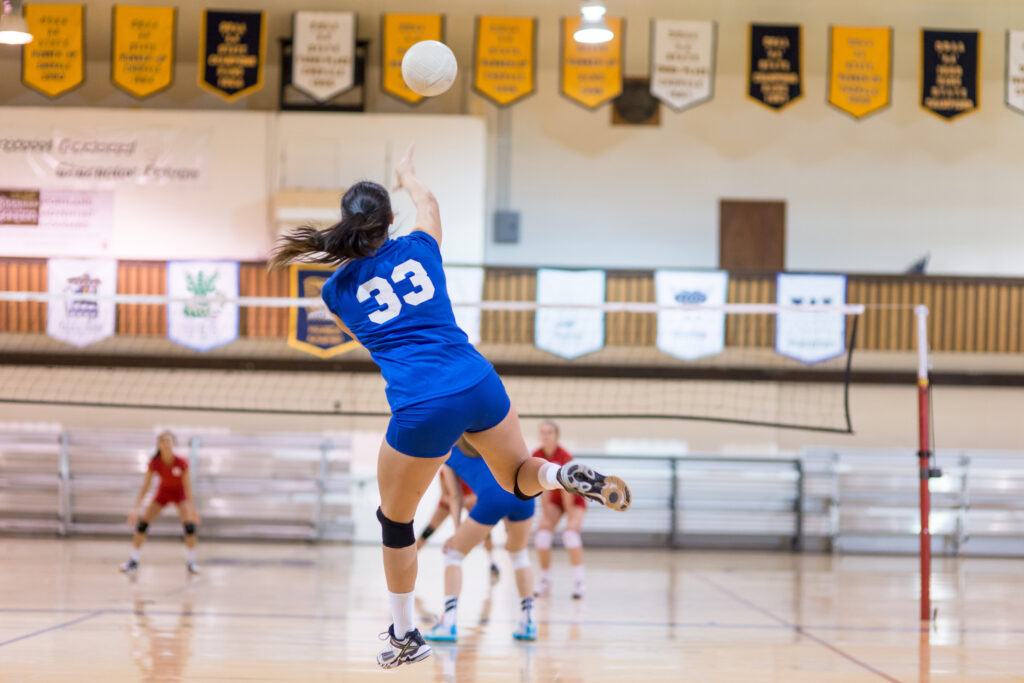
Club Volleyball: Where Recruiting Happens
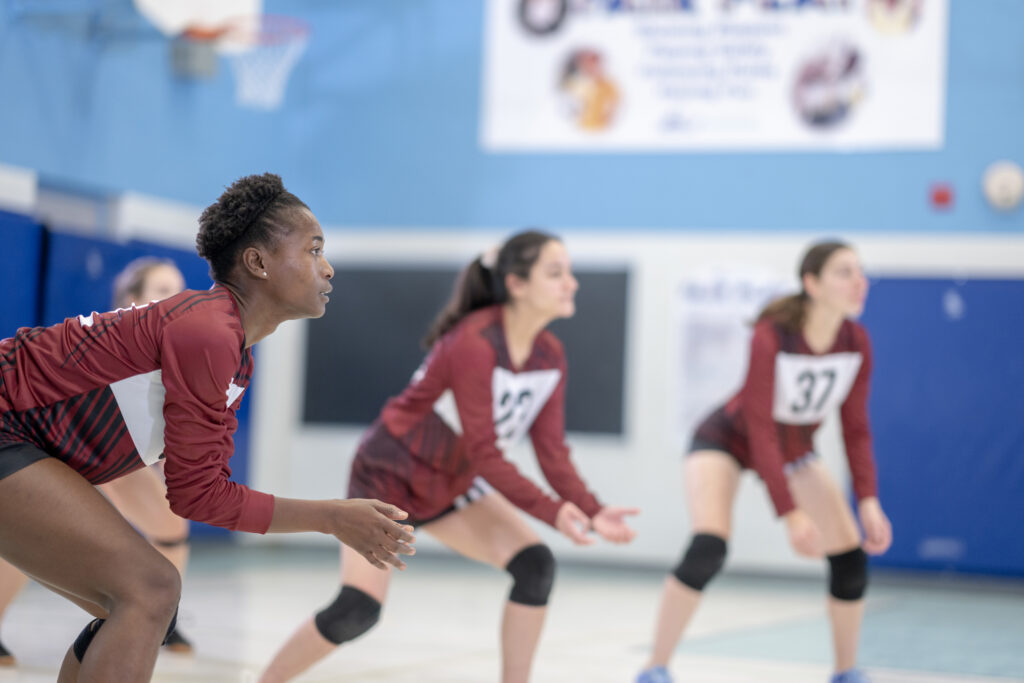
Club volleyball is a separate competitive system from high school—private, year-round programs that you try out for and pay to play on. The season runs roughly November through May. It’s the highest level of junior volleyball in the country. And it’s where almost all college recruiting actually happens.
If college volleyball is on your radar, your club is one of the biggest decisions your family will make.
Why club matters more than high school
High school volleyball is fun. It builds friendships, school pride, and reps in a different setting. But it will not get you recruited for college volleyball.
A few reasons why:
- D1 coaches show up at club tournaments, not high school matches. Their recruiting calendars are built around the club season.
- Club season runs through prime evaluation months. The biggest tournaments fall in winter and spring, when college coaches have time to scout in person.
- Club competition is national. The team your club plays in a saturday morning bracket might be from across the country. The team your high school plays is from your county.
- Club rosters are talent-dense. When a coach watches a top club team play another top club team, they’re seeing twelve recruits at once.
A note on cost
Club volleyball isn’t cheap. Annual dues typically range from $3,000 to $6,000—and that’s before travel, hotels, food, and tournament fees. Multiply that by two to four years and it becomes a small fortune. A few honest things about this:
- Cost varies enormously between programs. Regional clubs can be a fraction of what national clubs cost.
- The most expensive club isn’t always the best. It’s often a great club, but the price doesn’t guarantee the development or the placements.
- Financial aid exists at some clubs. Ask. Some programs have scholarship spots, payment plans, or work-trade arrangements.
- Cost has to make sense for your family. A club that strains your finances for years won’t be the right call, no matter how good its track record is.
If you’re navigating costs, talk to families a year or two ahead of you in the program. They’ll tell you what hidden costs look like, what’s really required, and where the give actually is.
The tournaments that matter most
A handful of national tournaments anchor the club season every year. Coaches plan their travel around them. If your club is going, be prepared to bring your A game.
The big ones to know:
- USAV junior national championships. USA Volleyball’s national event. The biggest age-group tournament in the country.
- AAU volleyball nationals. A separate national event held annually in orlando, FL, with thousands of teams across age divisions. Heavily attended by college coaches.
- Triple crown volleyball NIT. Invitation-only. Top clubs across the country compete, and college coaches line the bleachers.
The qualifying events leading into these tournaments matter just as much. Big regional qualifiers and showcases happen across the country throughout the season, and most of the same college coaches make the trip.
Don’t just show up to a tournament to play. The athletes who turn tournaments into recruiting traction treat the entire weekend seriously—the play itself, and the follow-through after.
Your club coach is your biggest advocate
Your club coach is one of the most important people in your recruiting process, and most families don’t realize how much they shape it. Their relationships with college coaches are already built. What they say about you carries weight that no highlight clip can replace. And the volleyball world is small enough that their read on you lands in college coach inboxes long before any of those coaches have watched you play.
A few things this means in practice:
- College coaches call club coaches constantly. It’s one of the first calls they make when they’re looking for a player at your position. College coaches rely on club coaches to source their incoming class.
- Their honest take is valuable. They’ve seen athletes at every division and they can tell you where your game realistically fits. Use that information to guide your journey.
- Their relationships are real. A club coach with strong college relationships across multiple divisions can open doors faster than anything else you have working for you.
The athletes who get the most out of their club coach treat them like a partner. The ones who don’t, leave a lot of value on the table.
Final thoughts: Club volleyball is where college recruiting actually plays out. Pick a program that develops you, work with a coach who’s connected, and use both for everything they’re worth. The club you choose shapes your recruiting story more than any email you’ll send.