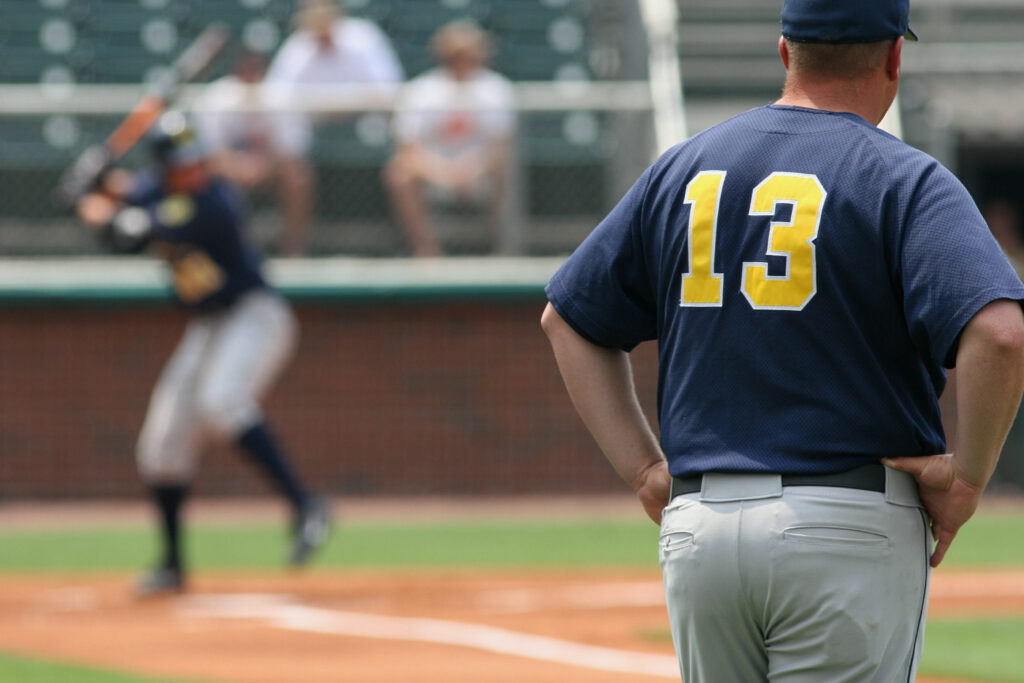
The Travel Baseball and Showcase Landscape

Travel baseball and showcases have become central to college baseball recruiting. While high school baseball still matters, many college coaches spend much of their recruiting calendar evaluating players at tournaments and showcase events, where they can see large numbers of prospects in one place.
Not every event carries the same recruiting value. National showcase organizations, regional scouting circuits, and tournament operators all attract different levels of competition and different groups of college coaches. The most valuable events aren’t necessarily the biggest or most expensive—they’re the ones that match your current level of play and put you in front of coaches who are actively recruiting athletes like you.
Why recruiting happens through travel ball and showcases
College coaches spend much of the spring focused on their own season, leaving limited opportunities to evaluate high school baseball. Once the college season ends, the NCAA baseball recruiting calendar shifts into high gear, making travel ball tournaments and showcases one of the primary ways coaches evaluate prospects in person.
- Travel ball makes recruiting more efficient. A single tournament or showcase allows coaches to evaluate dozens of teams and hundreds of players over the course of a weekend, making the most of limited recruiting time and travel budgets.
- The competition is more consistent. Travel ball brings together strong players from multiple schools and regions, giving coaches a better opportunity to evaluate how athletes perform against comparable competition.
- Evaluations happen in the same environment. Showcases often collect measurable data—such as fastball velocity, exit velocity, running times, and defensive metrics—under consistent conditions, making it easier for coaches to compare players.
- Travel ball isn’t the only recruiting path. Many athletes still earn college opportunities through regional tournaments, strong high school performances, and relationships with their coaches. The right events depend on your ability, goals, and the level of baseball you’re pursuing.
National tournaments and showcases
National showcase organizations play an important role in the baseball recruiting landscape. Across the country, organizations like Perfect Game, Prep Baseball Report, Five Tool, and others host tournaments, showcases, and prospect events that bring together athletes, college coaches, and scouts.
Here’s what you need to know:
- Large events create recruiting opportunities. Showcase organizations often attract coaches from multiple NCAA divisions, allowing athletes to be evaluated by many programs over the course of a single weekend.
- Verified evaluations provide useful context. Many showcase events verify measurables like fastball velocity and exit velocity, a big part of what college baseball coaches look for alongside live game evaluations.
- Competition varies by event. Some showcases feature nationally ranked prospects, while others serve regional recruiting markets. Choosing events that match your current level and recruiting goals is often more valuable than simply attending the biggest baseball showcases available.
- Professional scouts may also attend. Some of the largest showcase events attract Major League Baseball scouts in addition to college coaches, creating opportunities for draft-eligible players.
- Showcases are one part of the recruiting process. Many athletes earn college opportunities through a combination of travel tournaments, regional events, college recruiting camps, and high school baseball. Finding the right competitive environment is generally more important than chasing a particular event or organization.
Regional tournaments and showcases
Not every recruiting opportunity happens at a nationally recognized showcase. Throughout the country, regional tournaments, showcases, prospect camps, and invitationals play an important role in the recruiting process. Many attract strong competition and college coaches from programs that focus on regional college recruiting.
- They draw coaches who recruit locally. Many Division II, Division III, NAIA, JUCO, and regional Division I programs regularly attend these events because they provide access to talent within their recruiting footprint.
- The level of competition can be excellent. Many regional events feature highly competitive baseball without the size or cost of a national showcase, giving coaches meaningful opportunities to evaluate players.
- Relationships matter. Coaches often return to trusted regional events year after year because they know the quality of the competition and the organizations running them.
- The right event depends on your recruiting goals. For many athletes, competing in well-run regional events provides the right combination of exposure, competition, and opportunity without having to travel across the country.
Where high school baseball still fits
High school baseball remains an important part of the recruiting process, even as travel ball and showcase events have become more prominent. For many athletes—particularly outside the highest levels of Division I—strong high school performance continues to create meaningful recruiting opportunities.
- Many college coaches still recruit high school games. Coaches from Division II, Division III, NAIA, JUCO, and many Division I programs regularly evaluate players during the high school season, particularly within their recruiting region.
- The level of competition varies by location. In some states and regions, high school baseball provides outstanding competition and meaningful exposure. Understanding your local baseball landscape can help you set realistic recruiting expectations.
- It adds another opportunity to be evaluated. Every season gives coaches another chance to see your skills, competitiveness, and development in game situations. Strong performances during the high school season can reinforce what coaches see during the summer.
- It remains an important part of player development. High school baseball offers valuable game experience, opportunities to take on leadership roles, and the chance to compete alongside teammates from your school and community.
How to choose a travel ball club, and what to watch out for
Choosing a travel ball club is one of the most important recruiting decisions you’ll make. The right program provides quality coaching, meaningful competition, and opportunities to play in front of college coaches. The wrong one can leave you paying for exposure that never materializes, the same trap families fall into with some college recruiting services.
Here’s what to look for:
- A proven track record. Ask where players have committed in recent years, what levels they’ve reached, and how the club has helped them get there. Recent results are more meaningful than a well-known name.
- Meaningful playing time. Regular at-bats and innings on the field are usually more valuable than a limited role on a nationally recognized team. Coaches can only evaluate what they have the opportunity to see.
- Honest guidance. Good organizations are transparent about where you fit, which events make sense for your skill level, and what realistic recruiting opportunities look like.
And here are some red flags:
- Large rosters with limited opportunities to play. A strong brand doesn’t help if you’re spending most of the summer on the bench.
- Vague recruiting claims. Established clubs should be able to point to recent player placements and relationships with college programs—not just promise “exposure.”
- Guaranteed recruiting outcomes. No organization can promise college baseball scholarships, roster spots, or commitments. Be skeptical of any club that markets guarantees as part of its recruiting package.
Final thoughts: The travel ball landscape can feel overwhelming, but the goal is straightforward: compete in the right environment, continue developing your game, and put yourself in front of coaches who recruit players at your level. The best recruiting opportunities aren’t always tied to the biggest events or the most recognizable organizations—they’re the ones that fit your goals and give you a genuine chance to be evaluated.