
The College Baseball Recruiting Guide
If you want to keep playing baseball after high school, you’re not short on ways to do it—baseball offers more paths to a college roster than almost any other sport, from five college divisions to junior college to the MLB Draft. The challenge isn’t finding a path; it’s figuring out which one actually fits you.
If you’re a young baseball player, you might hear about travel ball rankings, national showcases, and a steady stream of new statistics—it is easy to feel buried in the jargon. Strip it back and the work is concrete: playing for a program that gets you meaningful innings, showing up at the events where coaches are actually watching, letting your game speak for itself, and staying in touch with programs across several years.
This guide walks through what the process actually asks of a player and a family, from a first email to a signed aid agreement. It covers every level, from high-major D1 down to junior college, the differences pitchers and position players experience in recruiting, the MLB Draft, and how to build relationships with coaches.
Wherever you’re starting from, there’s a spot in this sport that fits—the goal here is helping you find it a little sooner.

How College Baseball Recruiting Actually Works
Baseball recruiting is about building relationships with college coaches. Between travel ball, showcases, and direct outreach, once you see how those pieces fit together, the process gets far easier to navigate.
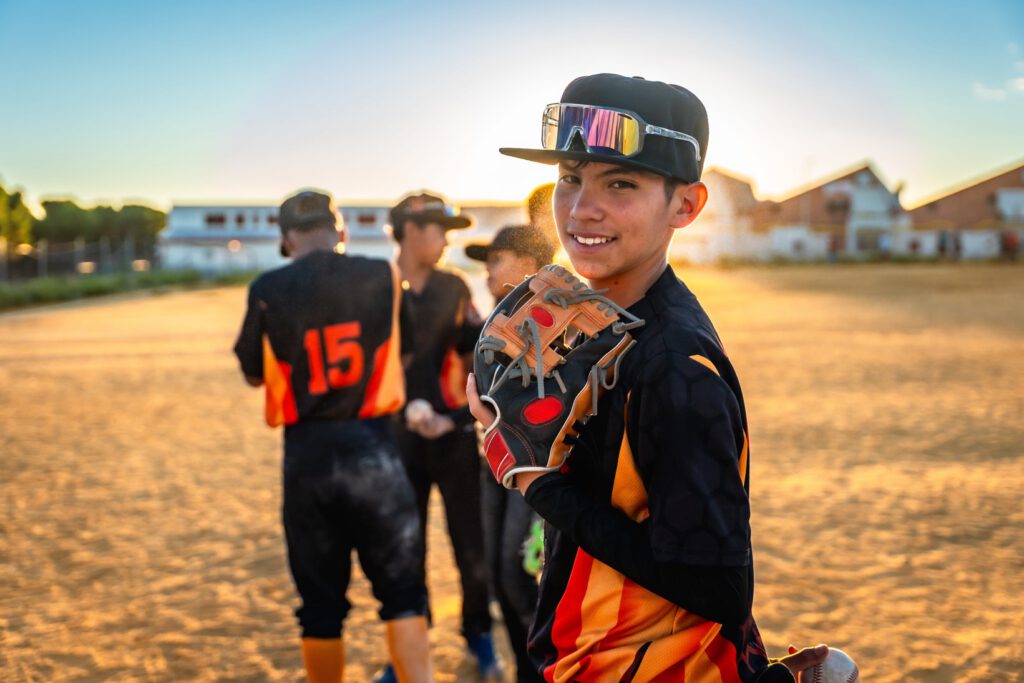
The Different Levels of College Baseball
NCAA D1, D2, D3, NAIA, and JUCO each carry a different scholarship structure, timelines, and day-to-day experiences. The right level is the one where you'll actually play, develop, and get meaningful innings for four years.

The College Baseball Recruiting Timeline
Learn how the college baseball recruiting timeline moves. Knowing what to focus on at each stage keeps your energy pointed at what matters, at the right time.
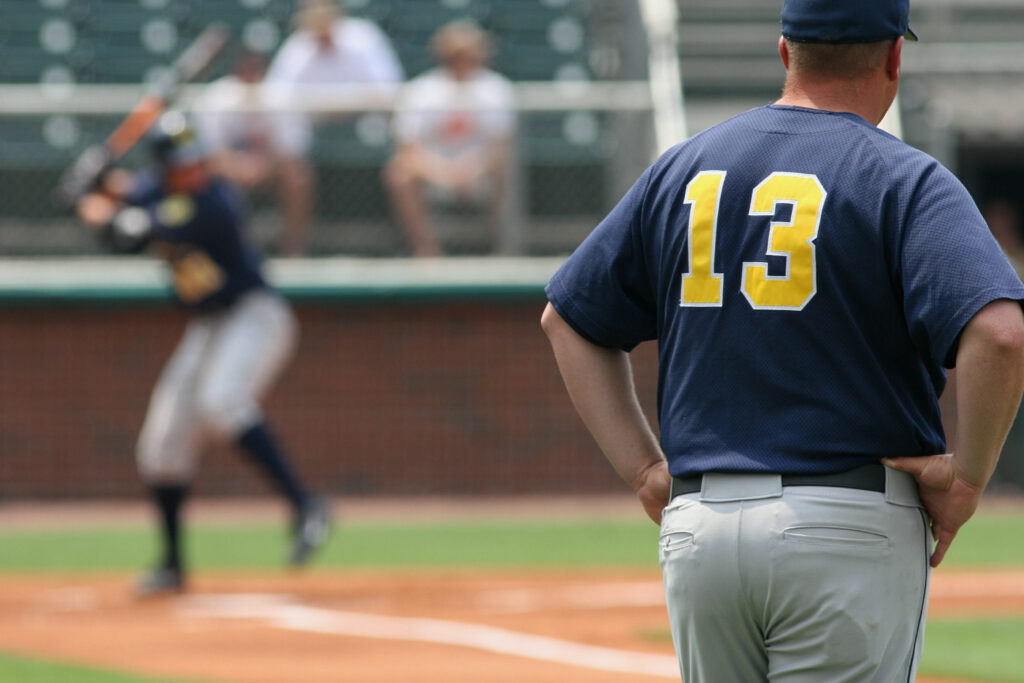
What College Baseball Coaches Actually Evaluate
College coaches track more than your top exit velocity or fastest fastball. This article breaks down everything they’re evaluating, from measurables, projection, and more.

The Travel Baseball and Showcase Landscape
For most recruits, travel baseball is where the process begins. The travel ball circuit shapes most of what college coaches see, and knowing how to navigate can help you get in front of the right scouts.
How to Choose the Right Baseball Showcase
No two showcases are alike—each offers a different experience. This article breaks down what actually makes an event worth your money, and how to build a calendar that fits your level and your budget.
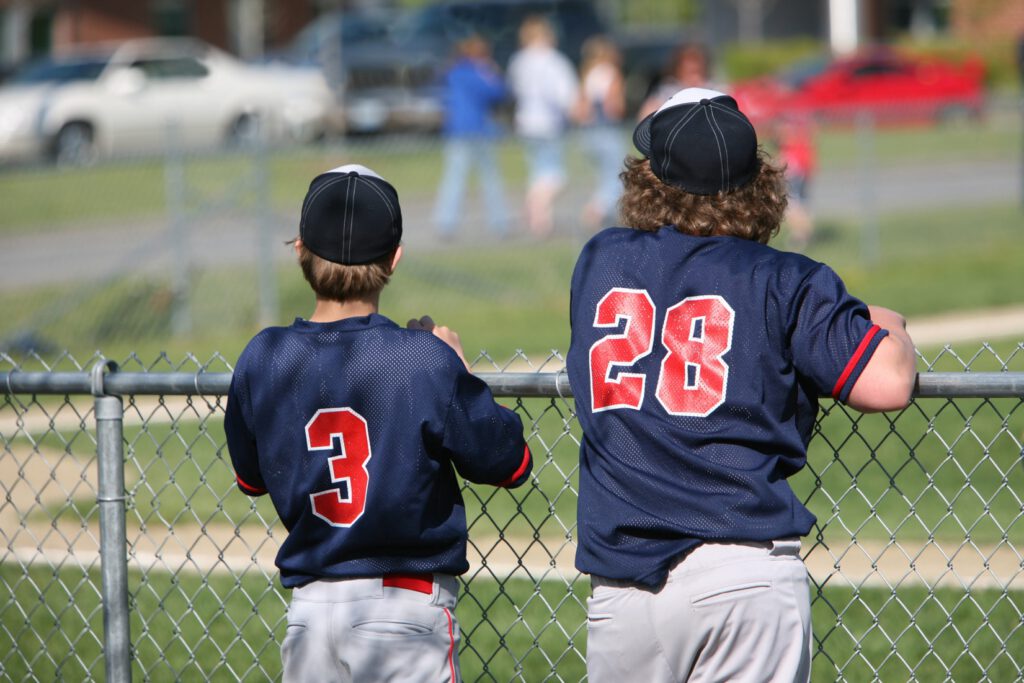
Film, Camps, and Exposure: How You Actually Get Seen
College coaches need to see you before they can recruit you. Film, showcases, and measurables all play a part, and the players who get noticed use each one with purpose.

Building Relationships With College Baseball Coaches
College baseball recruiting is built on relationships. Reaching out to coaches, following up, and staying consistent are how conversations start—and how they eventually turn into an offer.

Understanding College Baseball Offers
Verbal offers, committable spots, and signing all happen at different stages, and baseball's deep rosters make walk-on paths common. This article walks through what each of those stages means.

Understanding College Baseball Scholarships
College baseball scholarships vary significantly between levels, and full rides are still the exception outside the D1 level. This article covers what's genuinely being offered at every level.

How to Choose the Right College Baseball Program
The college baseball part is only one piece of where you'll spend four years. Roster depth at your position, coaching stability, academics, campus feel, and season length all deserve serious consideration in the decision.
The College Baseball Transfer Portal
The transfer portal has changed college baseball, and using it can be strategic. Coaching changes, playing time, and JUCO as an alternate route are all common reasons athletes make a move.

The Mental Side of College Baseball Recruiting
Recruiting can be exciting, stressful, and unpredictable, especially across a long travel ball calendar. Between rejection, comparison, and draft pressure, protecting your mindset matters as much as improving your game.

The Most Common College Baseball Recruiting Myths
"D1 or bust." "You need a national showcase to get seen." "Getting drafted means you're set." College baseball recruiting is full of myths—here are the ones worth leaving behind.